MENU
MENU
 MENU
MENU

 Call Us


Are Your Washer and Dryer About to Revolt?
Avoid hazards and heartache with a little preventive maintenance.
Did you know clothes dryers cause more than 10,000 fires every year? And, one of the most frequent insurance claims is water damage caused by a bursting washing machine hose. Here’s how to avoid trouble and keep these appliances humming happily ever after.
Check and/or replace your hoses.
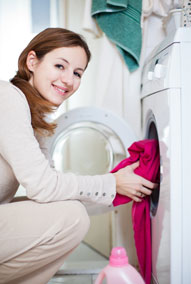 Supply hoses should be checked every year. If yours are plastic, replace them with braided metal hoses to eliminate the risk of bursting. The new hoses should be long enough to allow movement of the machine, usually about five feet.
Unplug the power cord; turn off the hot and cold-water valves and place towels or a bucket under the supply hoses to capture the water in them. Use adjustable pliers to loosen the hoses and remove them from the supply valves and the washing machine bibs.
Connect the new braided hoses from your machine’s threaded bibs to the water valves – making sure to match the hot- and cold-water hoses with their respective valves. Tighten the connections using the pliers, turn on the hot and cold water and check for leaks.
Clean the trap, ductwork and vent.
Clean clothes dryer lint screens after every load. Twice a year remove the lint screen and use a snorkel brush to clear any lint residue in the trap. A vacuum cleaner with a crevice tool works well, too. Detach the ductwork from the dryer exhaust and the wall vent. Then use a dryer vent brush to clean the vent by spinning it from the inside to the outside vent hood. Be careful not to create a clog by forcing it too hard and fast. Then step outside and check the vent hood to make sure it’s clean and clear.
If your old ductwork was plastic, replace it with metal because plastic is a fire hazard. Connect and seal the joints with aluminum duct tape – screws snag lint. The ends of the ductwork should fit snugly to the dryer’s exhaust and vent hood without the need for any tape.
And, that’s all it takes to avoid spending lonely nights at the local laundromat.